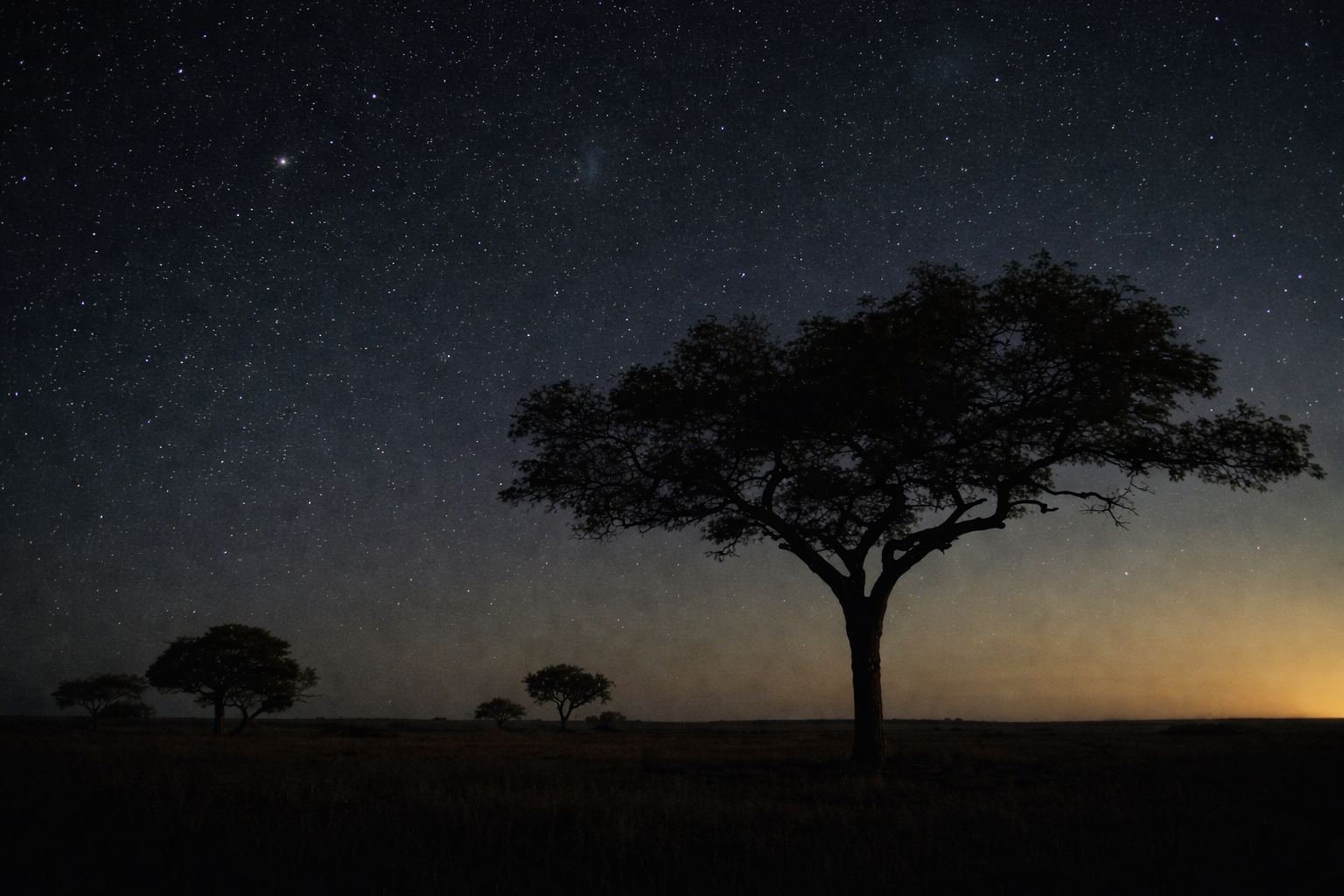
Kuruman
after dark.
The Northern Cape is South Africa's best-kept secret. Thornveld that stretches to the horizon. A sky so crowded with stars it looks photoshopped. And a town with one of the largest natural springs on the continent running under its streets.
Where red earth meets the long horizon.
Kuruman is a small town with an unreasonable geological gift. Beneath the main street, a spring called Gasegonyana — "the little water calabash" — pushes twenty million litres of fresh water into the daylight every day. It has been doing so, as far as anyone can tell, for longer than humans have lived here. Which, given Wonderwerk Cave sits about 45 minutes south, is saying something.
We built Shomatobe on the edge of town because we wanted to be close enough for lunch at a café but far enough that you hear the guinea fowl before you hear any traffic. The lodge is a series of low buildings around a shaded courtyard, a pool, and a boom — the big thorn tree that shares the grounds with Die Boom, the independent restaurant next door.
"Most people drive through Kuruman on the way to Botswana. We're quietly making a case for stopping."
The Kalahari itself starts where the tar ends — a landscape of ochre dunes and camelthorn that feels both vast and intimate. In summer the afternoons are still and hot; in winter, the nights drop sharp and clear. Every season has its reason.
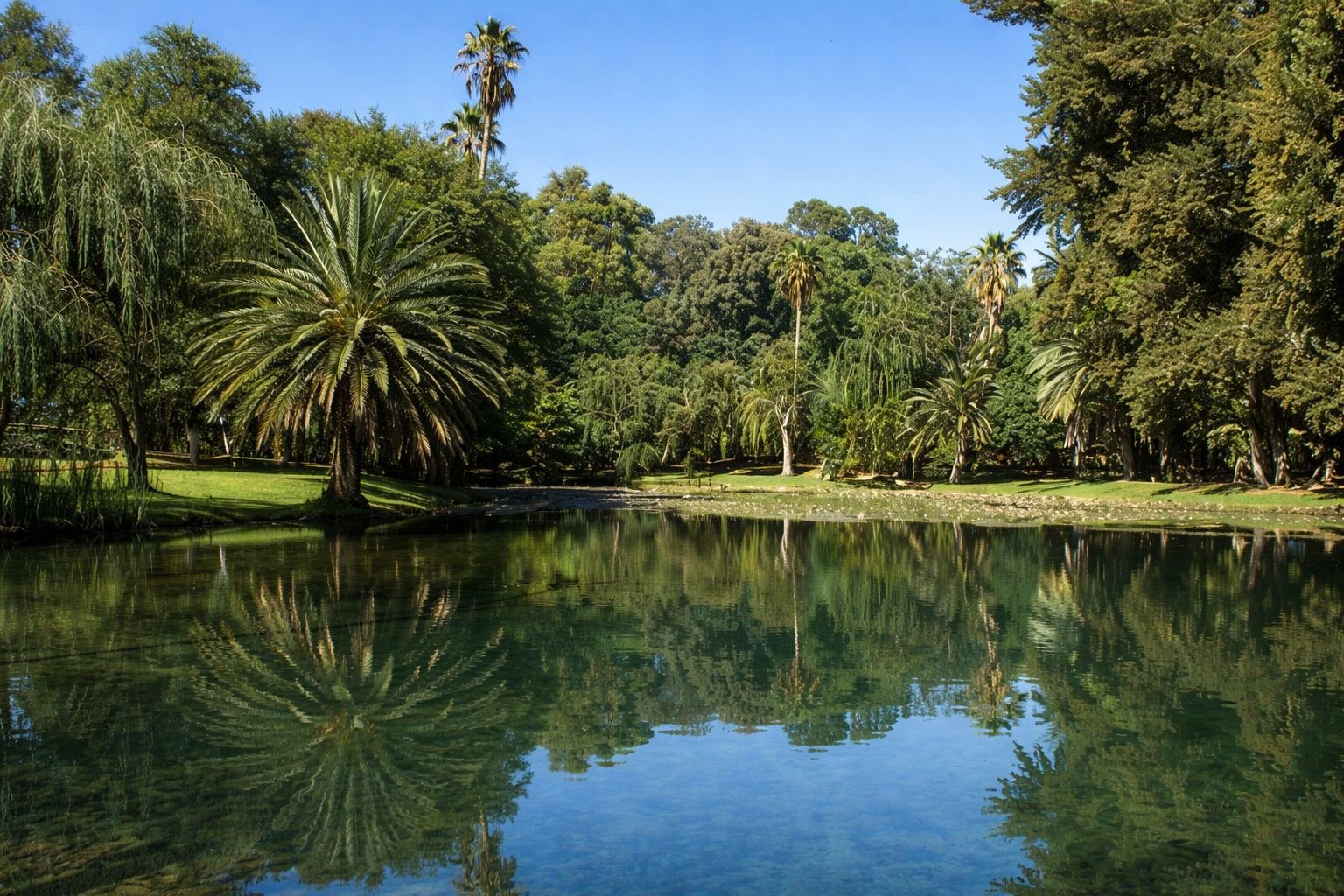
The Eye of Kuruman
A ten-minute drive from the lodge, the spring surfaces inside a small fenced park. Locals fetch water here; you can, too. Go early — the light on the water is worth the alarm clock.
Why we think you'll stay a second night.
-
01
The Eye of KurumanOne of the largest natural springs in the Southern Hemisphere. A cool, quiet spot with palm-shade benches and a small museum.
-
02
Wonderwerk CaveTwo million years of continuous human evidence. Check tour times before you go, and bring a torch.
-
03
Kalahari stargazingClear, dry Kalahari nights. Step out by the pool after dark, or drive a few minutes out of town for the full Milky Way.
-
04
Kgalagadi Transfrontier ParkLions, oryx and the red dunes of the Kalahari. A long drive, so plan it as an overnight trip.
-
05
Moffat Mission StationAn 1820s outpost in the middle of nowhere. Smaller than you'd expect, bigger in the telling.
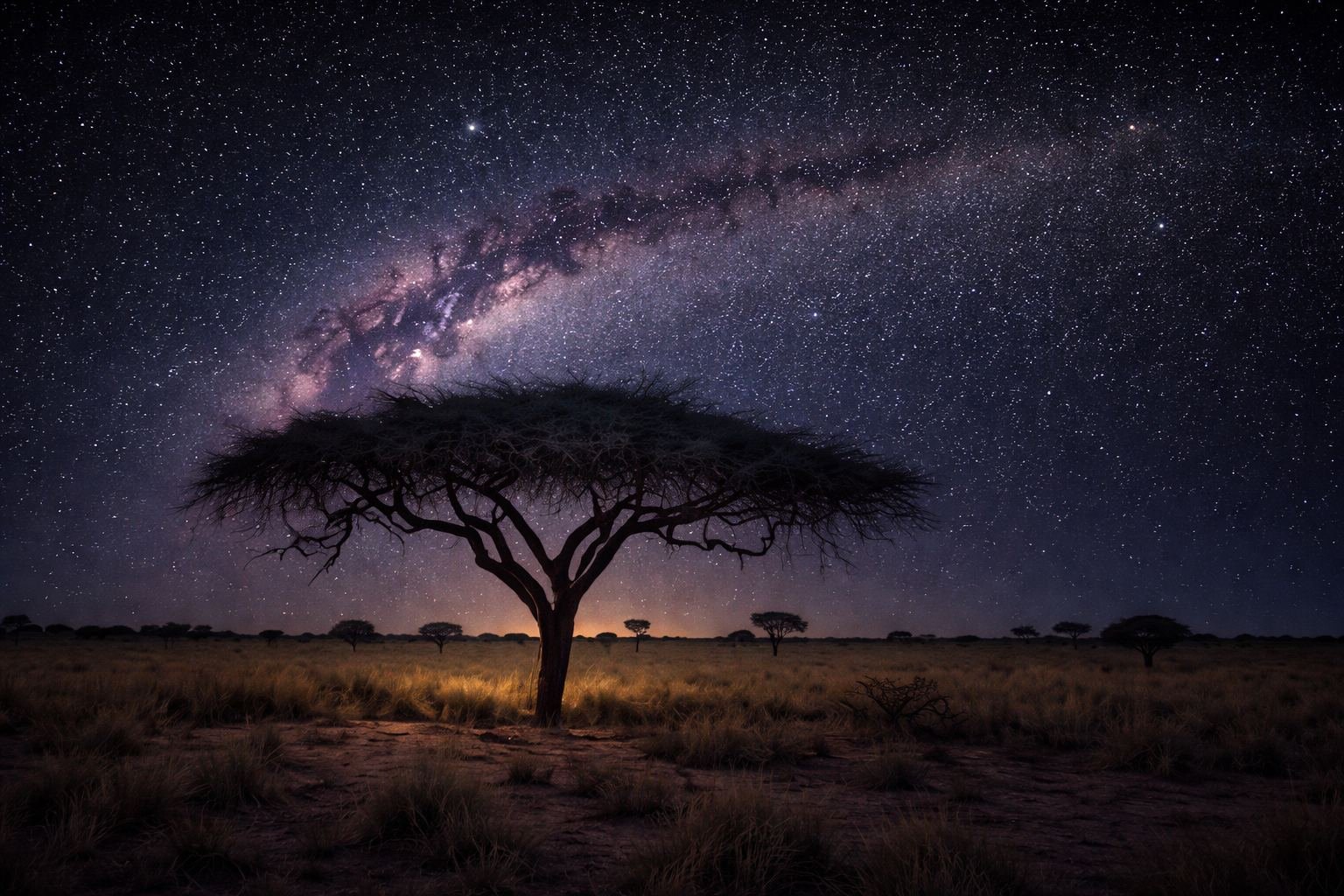
A sky that's embarrassing, honestly.
On a moonless night, the Milky Way is a vertical bright stripe. The Southern Cross is so obvious you can't mistake it.
There's no bad season, but there are different ones.
Daytime highs, nighttime lows, and what's usually happening.